
How to Protect Your Money During Uncertain Times (2026 Guide)
A simple, practical guide to protecting your money during uncertain times using budgeting, emergency funds, and debt reduction strategies.
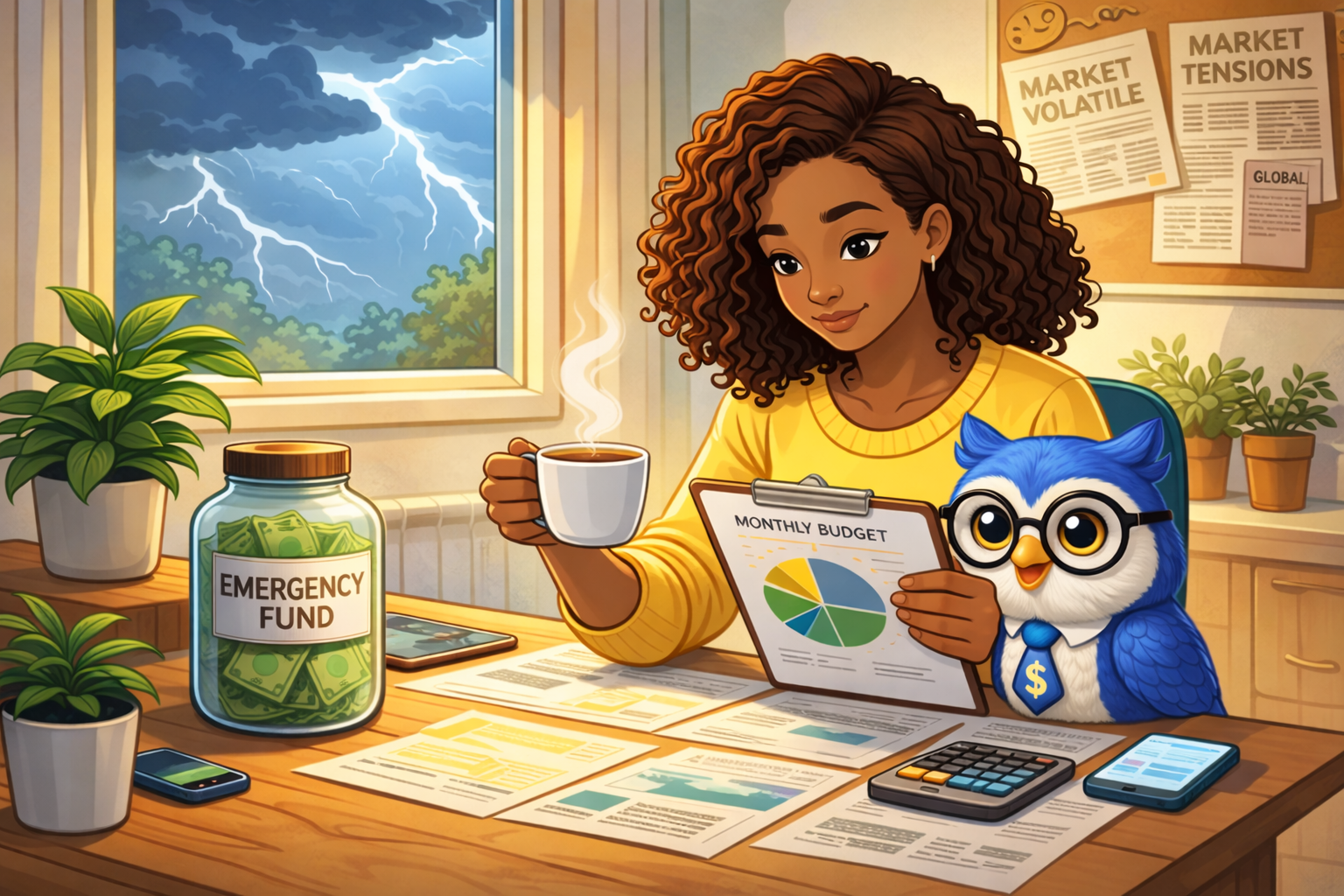
When the world feels uncertain—whether due to economic shifts, global tensions, or job instability—your finances don’t have to feel the same.
This guide will walk you through simple, practical steps to protect your money, reduce stress, and stay in control no matter what’s happening around you.
1. Start With a Clear Budget
Uncertainty becomes much harder when you don’t know where your money is going.
A clear budget helps you:
- Understand your monthly expenses
- Identify unnecessary spending
- Create a plan instead of reacting
If you don’t already have one, start here:
Even a basic budget can immediately give you more control.
2. Build (or Strengthen) Your Emergency Fund
Your emergency fund is your financial safety net.
During uncertain times, this becomes your most important asset.
A good target:
- 3 to 6 months of essential expenses
If you’re just starting:
- Aim for your first $500 → $1,000
- Then build gradually
Not sure how much you need?
👉 Use the Emergency Fund Calculator
This gives you a clear number to work toward—no guessing.
3. Reduce High-Interest Debt
Debt becomes more stressful when income is uncertain.
Focus on:
- Credit cards
- High-interest personal loans
Reducing debt:
- Lowers monthly obligations
- Frees up cash flow
- Reduces financial risk
Start with a plan:
👉 Use the Debt Payoff Calculator
Seeing a timeline makes the process feel manageable.
4. Focus on Essential Spending
In uncertain times, shift your mindset from:
“What do I want to spend on?”
to:
“What do I need to stay stable?”
Prioritize:
- Housing
- Food
- Utilities
- Transportation
- Insurance
Cut back (temporarily) on:
- Subscriptions
- Impulse purchases
- Non-essential upgrades
This isn’t about restriction—it’s about control and flexibility.
5. Increase Your Financial Cushion
If possible, look for small ways to increase your buffer:
- Save unexpected income (bonuses, tax refunds)
- Reduce one recurring expense
- Pick up a temporary side income
Even an extra $100–$300 cushion can make a big psychological difference.
6. Avoid Panic Decisions
When things feel uncertain, it’s easy to:
- Overspend out of stress
- Make risky financial moves
- Drastically change plans
Instead:
- Stick to your budget
- Focus on steady progress
- Make decisions based on facts, not fear
7. Use Tools to Stay Grounded
The biggest advantage you can give yourself is clarity.
When you can:
- see your numbers
- track your progress
- plan your next step
You remove a huge amount of anxiety.
Start here:
Final Thoughts
You can’t control the economy, global events, or unexpected changes.
But you can control:
- your spending
- your savings
- your plan
And that’s where real financial confidence comes from.
Start small. Stay consistent. Use the tools.
You’ll be more prepared than most.