
50/30/20 Budget Rule Explained (With Example)
Learn how the 50/30/20 budget rule works, see a real example, and start managing your money with a simple plan that actually works.
👉 Start here:
Try the BuddyMoney Budget Tracker
If budgeting feels overwhelming, the 50/30/20 rule is one of the easiest ways to take control of your money.
It’s simple, flexible, and perfect for beginners.
What Is the 50/30/20 Budget Rule?
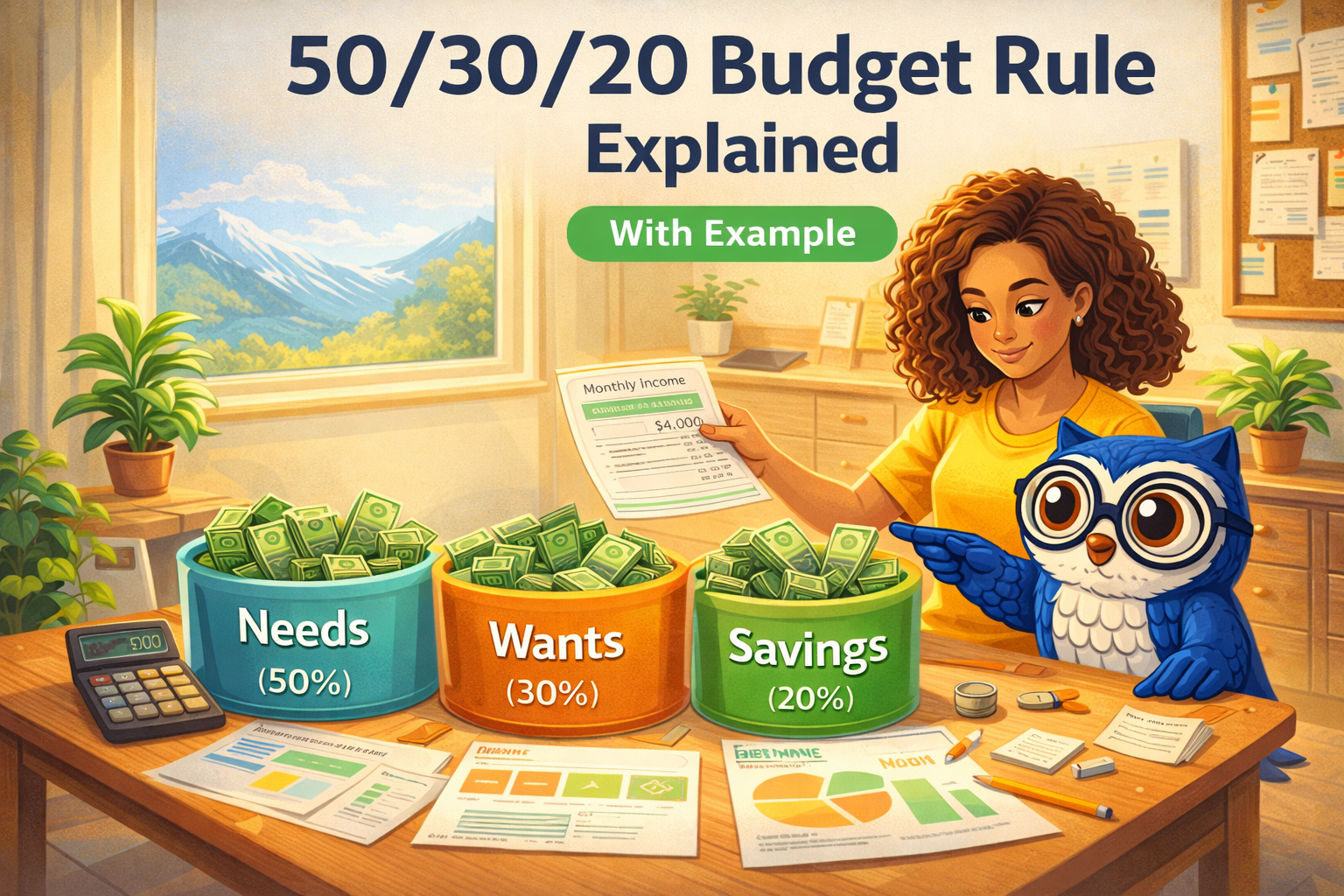
The rule splits your income into three categories:
- 50% Needs
- 30% Wants
- 20% Savings & Debt
That’s it. No complicated spreadsheets required.
How the 50/30/20 Rule Works
1. 50% — Needs
These are essential expenses you must pay:
- Rent or mortgage
- Groceries
- Utilities
- Insurance
- Minimum debt payments
- Transportation
👉 If it’s required for survival or work, it’s a need.
2. 30% — Wants
These are lifestyle expenses:
- Dining out
- Subscriptions
- Travel
- Shopping
- Entertainment
👉 Wants are important—but flexible.
3. 20% — Savings & Debt
This is where your financial progress happens:
- Emergency fund
- Investing
- Extra debt payments
👉 This is the category that builds your future.
Real Example of the 50/30/20 Rule
Let’s say you earn:
Monthly income: $4,000
Your budget would look like:
Needs (50%): $2,000
Wants (30%): $1,200
Savings/Debt (20%): $800
Simple. Clear. Actionable.
How to Start Using It Today
Step 1: Calculate your monthly income
Step 2: Apply the 50/30/20 percentages
Step 3: Track your spending
👉 Use this tool to make it easy:
Budget Tracker
What If Your Numbers Don’t Fit?
Most people don’t land perfectly on 50/30/20—and that’s okay.
If your needs are too high:
- Consider reducing fixed costs
- Reevaluate housing or subscriptions
If your savings are low:
- Increase income
- Cut back on wants
👉 The goal is progress, not perfection
When to Use the 50/30/20 Rule
This method works best if you:
- Are new to budgeting
- Want something simple
- Don’t want to track every dollar
- Need a starting framework
When It Might Not Work
You may need a different system if:
- You’re aggressively paying off debt
- Your income is irregular
- Your expenses are very high
In those cases, consider:
How This Connects to Your Financial Plan
The 50/30/20 rule is a starting point—not the final system.
From here you can:
👉 Build an emergency fund
Emergency Fund Calculator
👉 Pay off debt faster
Debt Payoff Tool
Final Thoughts
The best budget is the one you’ll actually follow.
The 50/30/20 rule works because it’s:
- Simple
- Flexible
- Easy to stick with
Start today—and adjust as you go.
👉 Clarity leads to control. Control leads to progress.